Best Working Capital Options for Texas Small Businesses

In short: Texas small businesses have several working capital options: merchant cash advances, business lines of credit, invoice factoring, equipment financing, and term loans. Each option has different costs and qualification requirements. Use a free matching service like Get Working Capital Now to compare vetted funding partners without obligation.
Key takeaways
- Working capital covers short-term expenses like payroll, inventory, and bills; it's not for long-term growth.
- Merchant cash advances offer quick cash but are repaid from future sales; costs can be higher than other options.
- Business lines of credit provide flexible access to funds up to a limit; you pay interest only on what you draw.
- Invoice factoring lets you sell unpaid invoices for immediate cash; it's useful if you have slow-paying customers.
What Is Working Capital and Why Do Texas Small Businesses Need It?
Working capital is the cash your business uses to cover day-to-day operations-payroll, inventory, rent, utilities, and unexpected expenses. Without enough working capital, even a profitable business can struggle to keep the lights on. For Texas small businesses, this is especially important given the state's diverse economy, from oil and gas in the Permian Basin to tech startups in Austin and manufacturing in Dallas-Fort Worth. Economic cycles, seasonal demand, or a slow-paying customer can create a cash crunch. That's where working capital funding comes in.
But not all working capital options are the same. This guide walks through the most common types available to small business owners in Texas, explains how they work, what they cost, and how to choose the right one. And because every business is different, we'll show you how a free service like Get Working Capital Now can connect you with vetted funding partners-without any obligation.

🔗 Related reading: Working Capital for Florida Salons, Spas & Shops · Business Funding Nearby
Types of Working Capital Options for Texas Small Businesses
Merchant Cash Advance (MCA)
A merchant cash advance provides a lump sum of cash in exchange for a percentage of your future credit card sales or bank deposits. It's not a loan; it's a sale of future receivables. Repayment is typically made daily or weekly through automatic deductions from your sales. MCAs are popular among Texas businesses with high credit card volume, such as restaurants, retail stores, and service providers in Houston, San Antonio, and El Paso.
How costs work: Instead of an interest rate, MCAs use a factor rate (e.g., 1.2 to 1.5). If you receive $10,000 at a factor rate of 1.3, you'll repay $13,000 total. The faster you repay, the higher the effective APR. Because of this, MCAs can be expensive, but they offer fast access to capital-often within 24 to 48 hours-and minimal credit requirements.
Business Line of Credit
A business line of credit gives you access to a set amount of funds that you can draw from as needed. You only pay interest on the amount you actually use, and once you repay, the credit becomes available again. This is a flexible option for Texas businesses that face unpredictable cash flow, such as construction companies in Austin or seasonal agricultural operations in the Rio Grande Valley.
How costs work: Lines of credit typically have an annual percentage rate (APR) that can range from, say, 7% to 25% for well-qualified borrowers, but rates vary widely. Some lenders charge an annual fee or a draw fee. You'll need good credit to qualify for the best rates, but there are also options for newer businesses with lower credit scores.
Invoice Factoring
Invoice factoring allows you to sell your unpaid invoices to a factoring company in exchange for immediate cash-usually 80-90% of the invoice value. The factoring company then collects payment from your customer. This is a great option for Texas B2B businesses, such as staffing agencies, trucking companies, and wholesalers, that have to wait 30-60 days for payment.
How costs work: The factoring company charges a fee, typically 1-5% of the invoice amount per week until the invoice is paid. The total cost depends on how long your customers take to pay. For example, if you factor a $10,000 invoice at a 2% fee for the first 30 days, and your customer pays in 40 days, the cost might be $200 plus additional fees for the extra 10 days. Always check the fee structure.
Equipment Financing
Equipment financing is a loan or lease used to purchase business equipment, from vehicles and machinery to computers and restaurant equipment. The equipment itself often serves as collateral, making this a lower-risk option for lenders. Texas businesses in manufacturing, agriculture, and construction often use this type of funding.
How costs work: Equipment loans typically have fixed interest rates and terms of 1-7 years. The APR can range from, say, 6% to 30% depending on your credit and the equipment. Leasing may have lower monthly payments but no ownership at the end. You'll need to provide details about the equipment and its cost.
Short-Term Business Loans
Short-term loans provide a lump sum that you repay over a few months to a couple of years. They are often easier to qualify for than long-term bank loans, and funding can be fast. Texas small businesses in any industry can use them to cover a temporary cash gap or take advantage of a growth opportunity.
How costs work: Interest rates are usually higher than traditional bank loans, with APRs ranging from, say, 10% to 40% or more. Some lenders charge origination fees or prepayment penalties. Compare the total cost of the loan, not just the monthly payment.
How to Qualify for Working Capital in Texas
Qualification requirements vary by funding type and lender. In general, expect to provide:
- Time in business: Most lenders want at least 6-12 months in operation, though some MCAs consider newer businesses.
- Monthly revenue: Lenders will ask for bank statements to verify consistent revenue. Minimums often start around $5,000-$10,000 per month.
- Credit score: Personal credit scores are often used. For lines of credit and term loans, a score of 600 or higher is common; MCAs may accept lower scores.
- Collateral: Equipment financing and some term loans require collateral. Lines of credit may be unsecured.
- Industry: Some lenders have preferences or restrictions. For example, cannabis-related businesses may have limited options.
Texas business owners can improve their chances by keeping accurate financial records, maintaining a business bank account, and separating personal and business finances. If you're unsure where you stand, the free matching service from Get Working Capital Now can help you find funding partners that consider your specific situation.

🔗 Related reading: NJ Business Borrowing: What Owners Should Know · Business Funding Nearby
Practical Tips for Choosing the Right Option
- Know exactly what you need the money for. If it's a one-time expense, a short-term loan or MCA may work. If you need ongoing access, a line of credit is better.
- Compare total cost, not just the payment. Look at the factor rate, APR, fees, and repayment terms. A lower monthly payment might mean higher total cost.
- Understand the repayment structure. Daily or weekly deductions from sales can strain your cash flow if you're not prepared. A fixed monthly payment is easier to budget.
- Check the lender's reputation. Look for reviews on the Better Business Bureau and other platforms. Avoid lenders that pressure you to sign quickly or ask for upfront fees.
- Read every contract carefully. Watch for hidden fees, prepayment penalties, and clauses that change terms. If something is unclear, ask.
Mistakes to Avoid When Seeking Working Capital
- Borrowing more than you really need. Taking extra cash can lead to unnecessary debt and higher costs. Only borrow what you need to cover the gap.
- Ignoring the impact on cash flow. Daily or weekly repayments can reduce your available cash, making it harder to cover other expenses. Map out your cash flow before committing.
- Applying to multiple lenders without understanding your credit. Hard inquiries can lower your credit score. Use a service that matches you with lenders based on your profile to minimize unnecessary hits.
- Assuming all funding is the same. Costs, terms, and qualification requirements vary widely. A merchant cash advance might be faster, but a line of credit could be cheaper in the long run.
- Not considering alternatives. Sometimes a small business can negotiate better payment terms with suppliers, offer discounts for early payment from customers, or use a business credit card for short-term needs.
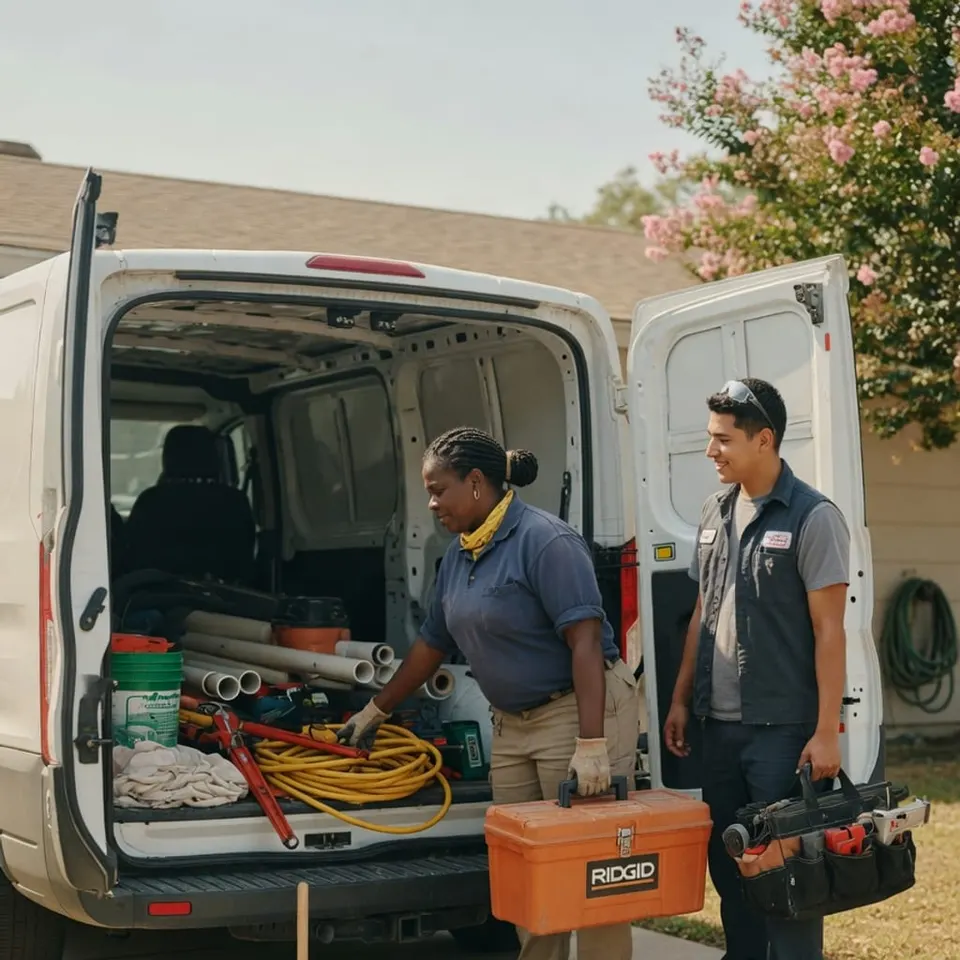
How a Free Matching Service Can Help Texas Small Businesses
Navigating the many working capital options can be overwhelming, especially when you're busy running a business. Get Working Capital Now is a free service that connects Texas small business owners with vetted, third-party funding partners. You fill out a simple online form about your business and funding needs, and we match you with partners that may be a good fit. There's no cost to you, no obligation, and no impact on your credit score (we use a soft pull).
Our partners include providers of merchant cash advances, business lines of credit, invoice factoring, equipment financing, and more. You can compare offers, ask questions, and choose the one that works best for your business. We are not a lender, bank, funder, or broker of record-we are a matching service. We do not make credit decisions or issue funds. We simply help you find options faster.
Whether you're in Houston, Dallas, Austin, San Antonio, Fort Worth, El Paso, or any other Texas city, the process is the same. Start by telling us about your business, and we'll do the legwork to find potential funding partners. It's a practical, no-hype way to explore your working capital options.
Final Thoughts
Working capital is essential for keeping your Texas small business running smoothly. The best option depends on your specific needs, revenue patterns, and credit profile. Merchant cash advances offer speed but at a higher cost. Lines of credit provide flexibility. Invoice factoring works well for businesses with slow-paying customers. Equipment financing is ideal for asset purchases. And short-term loans can fill a temporary gap.
Take the time to understand each option, compare costs, and read the fine print. And remember, you don't have to do it alone. A free matching service like Get Working Capital Now can help you connect with vetted funding partners who understand the Texas business landscape. No pressure, no obligation-just a simpler path to the capital you need.